


Deprecated: Function get_the_author_ID is deprecated since version 2.8.0! Use get_the_author_meta('ID') instead. in /var/www/dev-sites/dev35.leowebmarketing.pro/public_html/wp-includes/functions.php on line 6170

By Verdant
At the store, you spot a shirt labeled “eco-friendly.” Is it really a sustainable choice? The reality is that “sustainable” fashion is complex, even for reputable brands. Is recycled polyester truly sustainable? And with so much greenwashing—marketing products as sustainable when they’re not—the answer isn’t simple.
How can you tell if that “eco-friendly” shirt is genuinely sustainable? Where do you even start?
The world of sustainable fashion is surprisingly rich and fascinating once you start digging into the details. But it can feel overwhelming to learn what is considered good versus bad, and which brands are doing what, let alone actually find brands that fit your style and budget. All of this is harder to achieve than simply dashing over to the mall to pick up something quick.
This article gives you an overview of what sustainable fashion actually means (from certifications to materials to business practices), how to recognize greenwashing, examples of brands to know, and some practical tips for doing your own research the next time you shop.
1. What IS Sustainable Fashion?
When you hear the term “sustainable fashion,” it might sound simple, like it just means clothes that are better for people and the planet. But in truth, sustainability in fashion is a complex and ongoing process that touches every part of how a garment is made, worn, and even what happens after you’re done with it. To really understand what makes a brand or product sustainable, you have to look past the marketing and pay attention to the details: the fibers, how things are made, the people involved, and the systems that connect it all.
The good news is that once you know what to look for, you can make more informed choices, whether you’re shopping in a store, browsing online, or trying to distinguish between hype and genuine progress. Let’s start by examining the main components of sustainable fashion, beginning with the materials.
Materials
The materials used in a garment are foundational—but even “eco-friendly” options have layers of complexity.
- Organic natural fibers (like
organic cotton, linen, and hemp) are a good starting point, especially when certified by recognized standards such as GOTS. - Recycled fibers (like recycled cotton or recycled polyester) have their pros and cons. Recycled polyester, for example, is made from post-consumer plastic that might otherwise end up in landfills or oceans, which sounds like a win. However, some research indicates that recycled polyester fibers can shed even more microplastics than virgin polyester, as the fibers may become weakened during the recycling process. So while it’s a form of upcycling, it’s not a perfect solution.
- Innovative materials (like TENCEL™ lyocell or Piñatex (pineapple leaf fiber)) can be promising, but always verify details on sourcing and chemistry.
- Vegan leather is usually made from plastic, so its impact on the environment depends on how it’s made and how long it lasts. Just seeing a “vegan” label doesn’t always mean it’s better for the planet. If you’re thinking about
vegan leather, try to find options with lots ofplant-based material, like cork or apple leather, since these can be more sustainable than ones made only from plastic. It’s also important to check how durable the material is, because products that last longer need to be replaced less often, which helps the environment. - Regenerative agriculture is emerging as an exciting field, particularly for natural fibers such as wool and cotton. Brands sourcing from farms that practice regenerative techniques (which rebuild soil health and sequester carbon) can offer a more positive environmental story—but these claims are still new, so look for transparency about the actual farming practices.
Tip: Look for specific material breakdowns on tags (e.g., “92% regenerative cotton, 8% elastane”) and explanations of what makes the material more sustainable.
2. The Proof is in the Transparency: Demystifying Supply Chains
A truly sustainable brand doesn’t just say the right words—they show you how their products are made, step by step. For shoppers, transparency is one of the strongest signals that a brand is genuinely working toward sustainability (and not just jumping on a marketing trend).
The “Digital Passport”
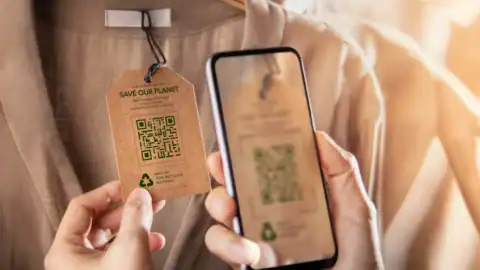
Some forward-thinking brands now use technology to provide source-to-store traceability. With a simple scan of a QR code (sometimes referred to as a “digital product passport”), you can view details about where the raw materials were grown or produced, which factories manufactured the fabric, and where the final product was assembled. Blockchain is being explored by a few companies to create an unchangeable record of a product’s journey.
Example: Nisolo includes a “Sustainability Facts Label” on every product page, showing traceability, wages, and materials. Patagonia’s “Footprint Chronicles” lets you explore the story behind many of their garments.
Tracing from Tier 1 to Tier 4
Supply chains are often divided into “tiers”:
- Tier 1: The final assembly factory (where the garment is sewn together).
- Tier 2: The mill or dye house where the fabric is made and dyed.
- Tier 3: The facility that spins or weaves yarn from raw materials.
- Tier 4: The origin of the raw materials (farms, forests, etc.).
Most brands only talk about Tier 1. The most transparent brands will name—and even let you see—details from Tier 2, 3, and 4. The more tiers you can trace, the more likely the brand is to have a handle on environmental and social impacts.
The Difference a Living Wage Makes
Sustainability includes the well-being of the people who make your clothes. While “fair labor” language is common, what really matters is whether workers are paid a living wage (enough for a decent standard of living), not just the legal minimum wage. The best brands will be open about how they define a living wage, what percentage of their workforce receives it, and how they’re working to improve this throughout their supply chain.
Real-World Examples
- Patagonia stands out for its detailed supply chain mapping, which allows you to follow many products from raw materials to finished items.
- Nisolo publishes a Sustainability Facts Label for each product, including wage and traceability data.
Tip: If a brand offers a QR code or transparency link, try scanning it right on your phone. If you end up on a page with real details (not just pretty photos and slogans), that’s a strong sign the brand is making a real effort.
3. What Is Sustainable Fashion Greenwashing? (And How to Spot It)
As more consumers try to shop ethically, brands are racing to appear “green”—but not all are doing the real work. Greenwashing occurs when companies mislead shoppers about their environmental or social practices, using vague or unregulated claims that sound impressive but fail to hold up under closer scrutiny.
One of the biggest challenges is the language brands use. It’s easy to feel good about picking up a shirt labeled “eco-friendly” or “planet positive,” but those words alone are not regulated and don’t guarantee anything about how the garment was made. Here are a few of the most common greenwashing tactics—and what to watch for:
Sustainable Fashion Buzzwords: Which Claims Can You Trust?
- “Eco-friendly,” “Green,” “Planet Positive”: These labels are everywhere, but on their own, they don’t mean much. If you see these terms, look for specifics: What exactly makes the item eco-friendly? Is there measurable data, such as a percentage of certified
organic content, a reduction in water use, or a third-party certification? - “Natural,” “Bio-based”: “Natural” can sound reassuring, but it lacks meaning without additional information. Arsenic is natural, but you wouldn’t want it in your clothes. “Bio-based” or “vegan” leather may sound eco-conscious, but these materials can still be derived mostly from petroleum and may not be biodegradable. Always look for details on the actual materials used and how they’re produced.
- “Conscious Collection,” “Sustainable Line”: Many large brands now offer a small “sustainable” capsule within their main collection. While it’s a step in the right direction, it doesn’t offset a business model built on mass production and overconsumption. The rest of the company’s products may not meet the same standards—and often, the impact of a single “green” line is minimal.
- “Made With Recycled Materials”: This phrase can be misleading if a brand doesn’t disclose the percentage of the item made from recycled materials. Sometimes, a piece might contain only 10% recycled content, with the rest being virgin synthetic fiber. True sustainability requires transparency about the full composition of the garment—and ideally, a commitment to increasing recycled content over time.
Greenwashing Red Flags to Look Out For
- Vague or generic claims: “Eco-friendly,” “green,” or “sustainable” with no details or proof.
- No certifications or clear information: There are no third-party labels, and the brand can’t explain what makes the product better.
- Green look, little substance: Lots of nature photos or “earthy” branding, but not much transparency.
- More marketing than action: Brand talks up change but still churns out endless new styles.
Bottom line: If a brand’s language is vague or only highlights the positives without sharing real numbers or third-party verification, it’s wise to dig deeper. The more transparent and specific a company is about its materials, processes, and impact, the more likely they are to be making an authentic effort.
4. Verification: Understanding Sustainable Fashion Certifications and Labels
When it comes to sustainability claims, not all labels mean the same thing. Some are strict, independent, and cover a wide range of social and environmental factors; others are lighter-touch, brand-driven, or only focus on one issue.
Third-Party Certifications (The “Gold Standard”)
These certifications require independent audits, enforceable standards, and regular renewal to maintain their validity. If a brand features one of these, it means someone outside the company has verified their claims:
- Global
Organic Textile Standard (GOTS): Certifies that textiles are trulyorganic from farm to finished product, and also requires social responsibility in manufacturing. - Fair Trade Certified™: Focuses on safe working conditions, living wages, and community investment at the farm or factory level.
- OEKO-TEX® Standard 100: Ensures that fabrics and finished products have been tested and found free of a long list of harmful chemicals.
- bluesign®: Covers the entire textile production process to minimize resource use and prevent hazardous substances from entering the environment.
- B Corp: Assesses an entire company’s social and environmental performance—not just one product.
Tip: Real certifications typically come with a unique number or code that you can verify on the certifier’s website.
Self-Certified, Vegan , and “Eco” Fashion Labels—What Do They Really Mean?
Not all “green” labels are created equal. Some are helpful for shoppers seeking a quick indication, but many are based on company self-reporting rather than third-party audits. Here are a few you’ll see often:
- Vegan/Animal-Free Claims: Labels, such as “PETA-Approved
Vegan ,” can be useful for avoiding animal-derived materials and animal testing, but they’re typically based on brand self-assessment and signed assurance, rather than independent inspections. These certifications focus only on the absence of animal products—not on overall environmental impact or worker treatment. It’s a helpful step, but for deeper verification or broader sustainability, consider third-partyvegan certifications or combine this with other standards. - Brand-Created “Eco” Badges: Many companies design their own eco-icons or slogans—like “Earth Friendly” or “Planet Positive”—to highlight their products. These are often just marketing claims and lack independent verification.
- Carbon Neutral / Carbon Offsets: Claims such as “carbon neutral shipping” or “climate positive” are becoming increasingly common. Unless these are backed by credible third-party standards (such as Climate Neutral Certified or Carbon Trust), they often rely on company-purchased offsets, which may not be transparent or verified.
- Biodegradable / Compostable: Products labeled “biodegradable” or “compostable” may not meet any regulated standard. For these claims to mean something, they should reference recognized certifications (such as OK compost or TÜV Austria).
- “Non-Toxic” or “Chemical-Free”: These phrases are not regulated in fashion and usually aren’t verified by any third party. If you’re concerned about chemicals, look for OEKO-TEX® or bluesign® instead.
- “Ethically Made” / “Responsibly Sourced”: These terms sound reassuring, but unless backed up by certifications (like Fair Trade or B Corp) or real wage and factory data, they’re just another kind of self-declared label.
In short: Self-declared and lighter-touch labels can be a useful starting point—especially for specific concerns, like avoiding animal products—but they don’t offer the same level of trust as independent, third-party certifications. Always look for details about what a label actually means and consider the full picture when making your choice.
5. How to Research Sustainable Fashion—In the Store or Online
So, back to you holding the shirt in your hand—what can you actually find out while you’re standing in the store? And what about when you get home, or if you’re shopping online?
In the Store (or Shopping Online)
- Start with the label: Look for a clear breakdown of materials—“100%
organic cotton,” “55% recycled polyester, 45% cotton,” etc.—and check if any third-party certifications are mentioned. If it just says “eco-friendly” or “sustainable” without further details, treat it as a prompt to dig deeper. - Check for a QR code: Many brands now include a QR code you can scan with your phone. This should lead you to more information, such as the country of origin, materials used, or relevant certifications. If scanning takes you to a page with specifics—not just slogans or pretty photos—that’s a positive sign.
- Product page scan: If you’re shopping online, the product page often lists materials, sometimes with links to learn more about sourcing or sustainability claims.
- Check the brand’s sustainability page: Does the brand even have one? Even if you don’t read it in-depth on the spot, the presence of a detailed “Sustainability” or “Responsibility” page—with real numbers or goals—shows they’re making at least some effort.
Back at Home or With More Time
- Take a closer look at their website: When you have a few minutes, revisit the product and sustainability pages. Look for annual sustainability reports, concrete impact claims (with data), or updates on progress and setbacks.
- Google the brand + “sustainability”: Independent news, reviews, or consumer discussions can reveal a lot—both positive and negative.
- Check independent resources: Sites like Good On You and The Good Trade offer third-party ratings and reviews of brands’ sustainability and ethics. These can be a helpful starting point, but always pair with your own research.
- Email the brand: Feel free to email the brand and ask “What percentage of this shirt is recycled material?” or “Do you pay a living wage?” A detailed response or a link to a recent impact report is a great sign. If all you get is more slogans, that’s an answer too.
Tip: Look for the certifications and labels described in the “Verifying the Promise” section below. If you don’t see any of these—or can’t find details beyond marketing buzzwords—pause and consider whether this is a brand you trust.
6. There’s a Spectrum of Sustainability—It’s Not All or Nothing
It’s easy to feel overwhelmed by all the factors that go into sustainable fashion—or discouraged when you realize that no brand (and no shopper) is perfect. The truth is, sustainability isn’t an all-or-nothing label. There’s a spectrum, and brands (like people) are often at different stages on their journey.
In the end, it’s up to you to decide what you’re comfortable with. Sometimes you’ll find enough proof to feel good about the brand in question right away. Other times, the more you look, the more questions you’ll have—and that’s okay. Trust your instincts, take it one step at a time, and remember that every purchase is a vote for the practices you want to see more of.
What does this mean for you as a shopper?
- You get to set your own priorities. Perhaps you prioritize
organic materials, or perhaps labor rights are at the top of your list. Perhaps you’d like to support smaller brands that are experimenting with upcycling or regenerative practices. All of these are valid choices, and you can choose the factors that matter most to you. - It’s okay to make trade-offs. Sometimes, you’ll find a brand that gets some things right but still has room to grow. Supporting brands that are making honest efforts—even if they’re not perfect—can help push the industry in the right direction.
- Transparency matters. The more a brand shares about what they’re doing well and where they’re still working to improve, the more you can trust them to keep moving forward.
Bottom line: You don’t have to be a purist to make better choices. Every purchase is a chance to support more sustainable practices, even if it’s just one step at a time.
7. Some Notable Sustainable Fashion Brands by Clothing Category
Some companies are leading the way with fully traceable supply chains, living wage commitments, and innovative new types of fabrics. Others are just beginning to make changes, such as using better materials or incorporating a few certified products. Any progress is good, and even small steps can make a real difference over time.
Note: Always double‑check the latest practices—brands evolve, and transparency is often a work‑in‑progress. The brands listed are either US-based or ship easily to US customers. Always check shipping and return policies before you order, especially for international brands.
Sustainable Basics (Underwear, T‑shirts, Sweats)
- PACT – Affordable
organic cotton basics with Fair Trade certification and a focus on traceability in their supply chain. - Organic Basics – Known for recycled materials (like Re:New™), transparency on factory audits, and a product passport scannable via QR.
- Kotn – Ethically sources
organic Egyptian cotton and partners directly with farming communities; shares wage information and invests in education. - Alternative Apparel –
Organic , eco‑friendly fabric mixes and dyeing processes, with initiatives for low-impact materials. - MeUndies – Utilizes recycled fibers and shares details on fabric composition, as well as some sustainability efforts, although not fully certified—still better than no transparency.
- Girlfriend Collective – Uses post‑consumer recycled materials (like old water bottles), shares factory lists and wage information, and publishes a sustainability report.
Sustainable Sportswear / Activewear
- Outdoor Voices – Blends recycled and natural fibers and is transparent about material origins.
- Patagonia – Recycled polyester, Fair Trade sewn, supply chain mapping; making strides in repair and take-back.
Sustainable Everyday Fashion (Dresses, Tops, Casual Wear)
- Reformation – Shares data on environmental footprint per item, uses sustainable materials, and has a strong take-back/resale program.
- Eileen Fisher – Focuses on
organic and regenerative fibers, living wage initiatives, and circularity (take-back and resale through Renew program). - Amour Vert – Sustainable fabrics, low-waste designs, and an impressive take-back initiative with replanting trees in return.
Sustainable Shoes
- Allbirds – Popular for Merino wool sneakers, transparency about material, carbon footprint, and offset initiatives.
- Veja – Stylish sneakers using fair‑trade leather,
organic cotton, and innovative materials like Amazonian rubber, with a clear transparency mission. - Nisolo – Focuses on fair wages, traceable production, and publishes a product-level Sustainability Facts Label.
- Rothy’s – Recycled plastic shoes with sustainable materials, closed-loop recycling, and a supply chain you can trace online.
- On – Known for running shoes, recently launched a sustainability platform detailing materials, manufacturing locations, and environmental impact goals.
Inspired to Learn More?
- Join the Republic of Green Community conversation on Sustainable Fashion to swap tips, reviews, and sustainable style stories with others on the journey.
- Find sustainable fashion brands in the Republic of Green Directory.
Each fashion item we buy makes a statement about the type of fashion we support – fast fashion or sustainable fashion. Republic of Green’s goal is to make it easier for all of us to make sustainable choices we are happy with – one purchase at a time.
Top Photo: iStock

Curious by nature. Optimistic by choice. We explore the people, products, and ideas shaping a cleaner, greener future—and bring you the best of what we find.
Latest posts by Editorial Team (see all)
- 5 Eco-Friendly & Zero Waste Kitchen Cleaning Swaps Under $50 Total - January 17, 2026
- Soon Your Jeans Are Going to Need a Clothing Passport (Digital Product Passports Explained) - January 5, 2026
- 9 Weird Recycling Businesses Find Gold in the Garbage - September 8, 2025