


Deprecated: Function get_the_author_ID is deprecated since version 2.8.0! Use get_the_author_meta('ID') instead. in /var/www/dev-sites/dev35.leowebmarketing.pro/public_html/wp-includes/functions.php on line 6170

By Verdant
These weird and wonderful recycling businesses are tackling the critical challenge of waste in the most unexpected ways.
From used hotel soap and old toothbrushes to hair clippings and elephant poop—these entrepreneurs and nonprofits are turning what looks like useless junk into something of real value. Each story in this list demonstrates that creativity and commitment can transform even the most unusual waste streams into a meaningful impact. For example, some businesses rescue crayons, while others turn hair into oil spill mats. As a result, millions of pounds of waste are being diverted from landfills every year.
1. Using Hair Clippings from People and Pets to Fight Oil Spills
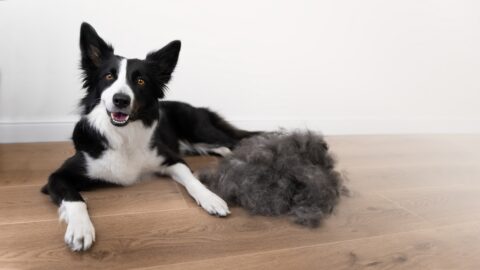
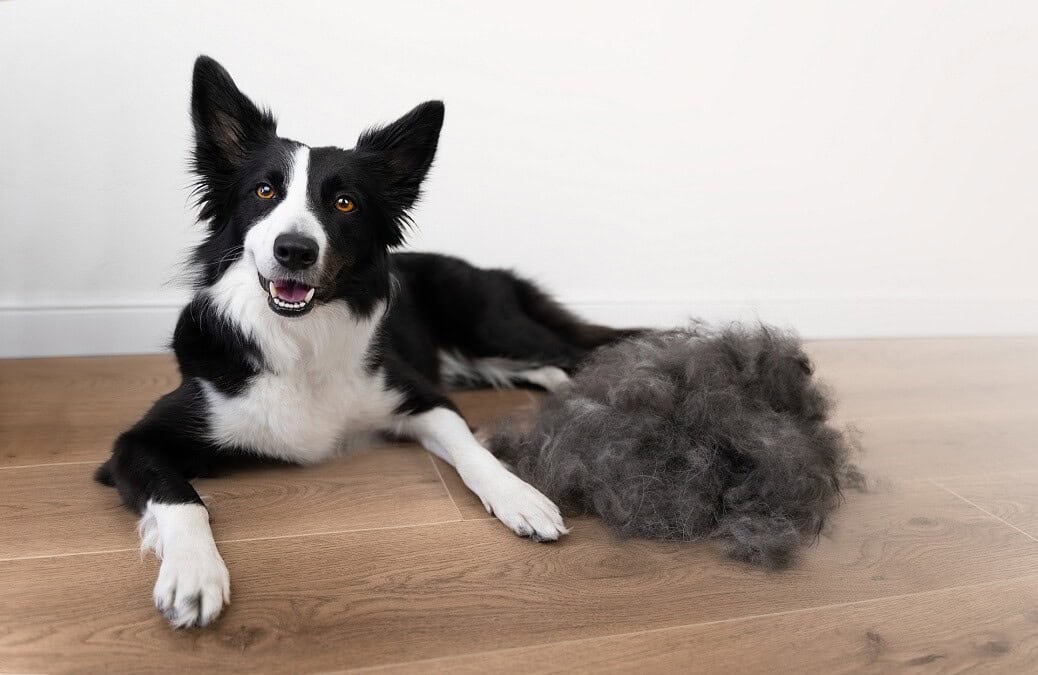
 Business: Matter of Trust – Clean Wave Program Year Founded: 1998 Founder: Lisa Gautier, Co-Founder & President A San Francisco–based nonprofit that collects hair from salons and animal groomers and felts it into mats used to soak up oil in water, storm drains, and around marinas. What it does: Matter of Trust turns human and pet hair clippings into sustainable oil-absorbing mats. These mats serve as eco-friendly alternatives to synthetic spill-cleanup materials and are used for erosion control in landscaping. Who it’s for: – Environmental agencies, marinas, city stormwater departments – Salons, groomers, and individuals who want to donate hair waste Business Model: Operates as a nonprofit funded by grants, donations, and partner organizations. Salons and groomers can donate hair for free, while public works and industry partners cover the cost of mats. (Source: Matter of Trust About, NBC Bay Area) Impact: – Diverts thousands of pounds of hair from landfill each month – Recycled into tens of thousands of oil-absorbing mats – Used by municipalities and in emergency oil spill response Available where: – Mats available for purchase via Matter of Trust – Donation programs open across U.S. and internationally
2. Creating Luxury Goods from Old Fire Hoses
 Business: Elvis & Kresse Year Founded: 2005 Founder: Kresse Wesling, Co-Founder & CEO A luxury goods brand that rescues decommissioned fire hoses from landfill and transforms them into handcrafted bags, belts, wallets, and homeware. They donate 50% of profits to firefighting charities. What it does: Elvis & Kresse repurposes fire hoses that fire brigades can no longer use. The thick, rubbery material is cleaned, cut, and sewn into durable, high-end accessories. The company has since expanded to include reclaimed leather and parachute silk in its product lines. Who it’s for: – Consumers looking for sustainable, ethically made luxury goods – Gift buyers, environmentally conscious fashion lovers, and corporate partners Business Model: Privately held, UK-based certified B Corporation. The company generates revenue through direct-to-consumer sales of luxury upcycled goods and maintains brand partnerships, including a high-profile collaboration with the Burberry Foundation. Impact: – Over 300 tons of fire hose material diverted from landfill – 50% of profits donated to The Fire Fighters Charity (UK) – Expanded product lines include leather offcuts and auction banner upcycling (Source: Elvis & Kresse – Impact) Available where: – Products ship internationally via their website – Stocked in select high-end boutiques across Europe and North America
3. Melting Broken Crayons to Make New Ones for Art Therapy
 Business: The Crayon Initiative Year Founded: 2013 Founder: Bryan Ware, Founder & CEO A nonprofit that recycles broken crayons into new ones for children’s hospitals, combining environmental impact with emotional healing for young patients. What it does: The Crayon Initiative collects broken, unwanted crayons—often from restaurants, schools, and homes—and recycles them into new, easy-to-grip crayons designed for children with fine motor challenges. These are distributed to hospitals across the U.S. to support art therapy and creativity during treatment. Who it’s for: – Pediatric hospitals, art therapists, and children’s care centers – Also engages schools and families through collection drives Business Model: Operates as a 501(c)(3) nonprofit; supported through individual donations, corporate sponsors, and collection partnerships. Impact: – Over 540,000 children served in 250+ hospitals – More than 540,000 pounds of crayons diverted from landfills (Source: The Crayon Initiative) Available where: – Crayons are distributed to hospitals throughout the U.S. – Anyone can host or participate in a crayon collection drive
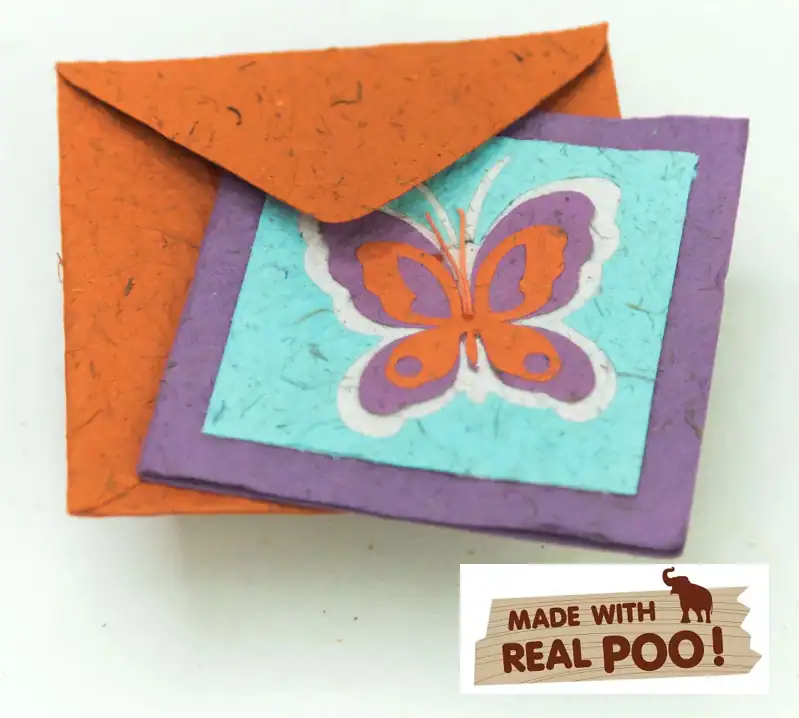
4. Crafting Beautiful Handmade Paper from Elephant Poop
 Business: PooPooPaper Year Founded: 2005 Founder: Karl Wald, Founder & Managing Director A novelty eco-brand that makes handmade paper and stationery from elephant dung, using undigested plant fiber found in herbivore waste. What it does: Dung collected from elephants (and sometimes other animals like pandas and cows) is cleaned, boiled, and mixed with natural fibers to create unique, textured paper products—ranging from notebooks to greeting cards. Who it’s for: – Tourists, gift buyers, and eco-conscious stationery fans – Zoo gift shops, eco-boutiques, and online shoppers Business Model: Sells handcrafted products directly to consumers online and via retail partners. Revenue supports education on sustainability and animal conservation. Impact: – Diverts tons of dung annually from local waste streams – Supports animal sanctuaries and eco-tourism efforts – Sells in over 20 countries through retail and online channels (Source: PooPooPaper FAQ) Available where: – Sold online through PooPooPaper.com and Amazon – Also available in zoo shops, museums, and sustainable gift stores
5. Recycling Partially Used Hotel Soap to Support Global Health Initiatives
 Business: Clean the World Year Founded: 2009 Founder: Shawn Seipler, Founder & CEO A nonprofit-social enterprise hybrid that collects partially used soap and bottled amenities from hotels. They sanitize and distribute them to vulnerable communities around the world. What it does: Clean the World partners with hospitality companies to collect discarded soap bars and plastic toiletry bottles. The soap is sterilized and reformed into new bars, while the bottles are recycled. The products are distributed to NGOs and health organizations working to prevent hygiene-related illnesses and improve handwashing access globally. Who it’s for: – Hotels and hospitality groups seeking sustainable waste solutions – NGOs and public health groups working in hygiene and disease prevention Business Model: Operates as a certified B Corporation with a nonprofit distribution arm. Revenue comes from service contracts with hotel partners and is supplemented by philanthropic support. Impact: – Over 68 million bars of soap distributed across 127 countries – More than 25 million pounds of waste diverted from landfills – Partnerships with 8,100+ hotels, including Marriott, Hilton, and Disney (Source: Clean the World – Impact Overview) Available where: – Hospitality programs operate in North America, Europe, and Asia – Soap and hygiene kits are distributed globally through nonprofit partners
6. Converting Cigarette Butts into Park Benches and Plastic Pellets
 Business: TerraCycle Cigarette Waste Recycling Program Year Founded: 2001 (cigarette recycling launched in 2012) Founder: Tom Szaky, Founder & CEO A global recycling company that turns cigarette butts—one of the most littered items in the world—into industrial plastic products like shipping pallets and park benches. What it does: TerraCycle collects used cigarette butts through a free recycling program. The butts are separated into paper, tobacco, and filter components. The filters, made of cellulose acetate, are cleaned and processed into plastic pellets used in manufacturing. Who it’s for: – Cities, universities, and businesses looking to reduce cigarette litter – Consumers and nonprofits can also participate by signing up for collection boxes Business Model: Operates as a for-profit company with global operations in over 20 countries. The cigarette recycling program is funded by tobacco companies through voluntary stewardship and brand responsibility programs. Impact: – Over 150 million cigarette butts recycled globally – Diverts waste from sidewalks, beaches, parks, and waterways – Recycled into plastic products like shipping pallets and ashtrays (Source: TerraCycle Impact Page) Available where: – Active in the U.S., Canada, UK, Australia, and more – Free recycling boxes can be ordered online for public or private use
7. Turning Ocean Plastic Flip-Flop Waste into Vibrant Art
 Business: Ocean Sole Year Founded: 2005 Founder: Julie Church, Founder & Executive Director A Kenyan-based social enterprise that collects discarded flip-flops from beaches and waterways and transforms them into colorful, hand-carved animal sculptures sold globally. What it does: Ocean Sole cleans and repurposes flip-flops that have washed ashore in Kenya—many of which float in from across the Indian Ocean. Local artisans carve the foam into vibrant sculptures, keychains, and functional art pieces. The initiative provides employment while raising awareness about marine plastic pollution. Who it’s for: – Eco-conscious gift buyers, home decor shops, and online art lovers – NGOs and retailers interested in marine conservation–themed products Business Model: Operates as a registered nonprofit in Kenya with a for-profit sales arm that sells products directly to consumers and retailers. Revenue from product sales supports artisan wages, beach cleanups, and outreach. Impact: – Recycles over 750,000 flip-flops annually – Employs 90+ artisans and staff in Nairobi and coastal communities – Removes ~1,000 tons of waste from beaches and rivers each year (Source: Ocean Sole Impact) Available where: – Ships worldwide via their online store – Carried in select boutiques, museum stores, and eco shops globally
8. Upcycling Old Toothbrushes to Build Public Picnic Tables
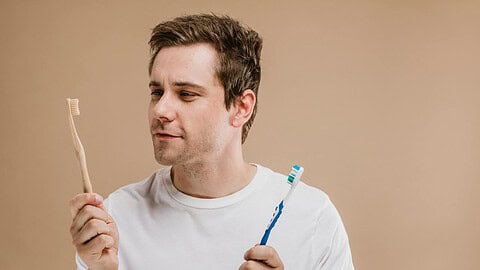
Business: TerraCycle Oral Care Recycling Program Year Founded: 2012 Founder: Tom Szaky, Founder & CEO A mail-in program that collects used toothbrushes, toothpaste tubes, floss containers, and packaging and transforms them into durable plastic products like park benches and shipping pallets. While free for consumers, the program is a for-profit venture funded by brand sponsors like Colgate, who pay TerraCycle to recycle their “non-recyclable” waste. TerraCycle built a business on a simple truth: conventional recycling only works for materials that are profitable to recycle. To address the 95% of waste that is not, they create funded solutions. Their oral care program, sponsored by Colgate and other brands, turns used toothbrushes, toothpaste tubes, and other difficult-to-recycle items into new plastic products. What it does: Participants collect oral care waste, which TerraCycle sanitizes and processes into raw plastic pellets. These are then molded into items like shipping pallets, garden beds, and public seating. Who it’s for: – Families, schools, and dental offices that want to reduce plastic waste can participate in a free, brand-sponsored recycling program. – Municipalities and brands aiming to support circular recycling programs Business Model:
Impact: – Tens of millions of oral care items recycled since launch – Program active in over 20 countries – Thousands of schools and households participate globally – Demonstrates a working model for financially challenging recycling streams. – Raises awareness about the limitations of conventional recycling. (Source: Colgate Sustainability) Available where: – Free to join via TerraCycle website – Open to U.S., Canada, UK, Australia, and other partner countries – Free mail-in programs are available, though enrollment may have limits. – Paid Zero Waste Boxes are also available for consumers.
9. Turning Ocean Fishing Nets into Skateboards and Sunglasses
 Business: Bureo Year Founded: 2013 Founder: Ben Kneppers, Co-Founder & COO A mission-driven company that collects discarded fishing nets from coastal communities and transforms them into durable plastic used for skateboards, sunglasses, and Patagonia products. What it does: Bureo works with fishermen in South America to collect and recycle end-of-life fishing nets—one of the most dangerous forms of ocean plastic. The nets are cleaned, shredded, and pelletized into a material called NetPlus®, which is then used to manufacture consumer products. Who it’s for: – Eco-conscious consumers and brands looking for recycled content – Partners like Patagonia and Costa Sunglasses integrating NetPlus into their products Business Model: For-profit certified B Corp that earns revenue from direct-to-consumer product sales and licensing of NetPlus® to other companies. Their work also supports local economies through collection partnerships. Impact: – Over 4.5 million pounds of fishing nets collected since launch – NetPlus® material now used in Patagonia hat brims, skateboard decks, and more (Source: “noopener”>Bureo Impact) Available where: – Available online through Bureo and select brand partners like Patagonia and Costa – Also sold in surf shops and eco-retailers
Why These Recycling Businesses Matter

- 5 Eco-Friendly & Zero Waste Kitchen Cleaning Swaps Under $50 Total - January 17, 2026
- Soon Your Jeans Are Going to Need a Clothing Passport (Digital Product Passports Explained) - January 5, 2026
- 9 Weird Recycling Businesses Find Gold in the Garbage - September 8, 2025