


Deprecated: Function get_the_author_ID is deprecated since version 2.8.0! Use get_the_author_meta('ID') instead. in /var/www/dev-sites/dev35.leowebmarketing.pro/public_html/wp-includes/functions.php on line 6170

By Verdant
Key Takeaways
-
Digital Product Passports (DPPs) are QR codes on clothing tags that reveal a garment’s origin, materials, and care instructions—driving a new era of transparency and traceability in fashion.
-
DPPs make it easier to verify sustainability claims, support clothing repair, boost resale value, and participate in circular fashion.
-
Europe began rolling out DPPs in 2024. Major U.S. apparel brands are now adopting this technology; expect to see clothing passports widely by 2027.
-
Brands like Levi’s, Patagonia, Nike, and even fast fashion giants (like Shein) will implement DPPs to comply with global textile regulations.
Do Your Jeans Have a Passport? (Wait—Say What?)
Did you know your next pair of jeans might come with a passport? Not for international travel—but for traceability and sustainability.
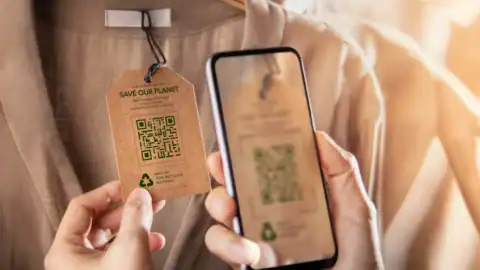
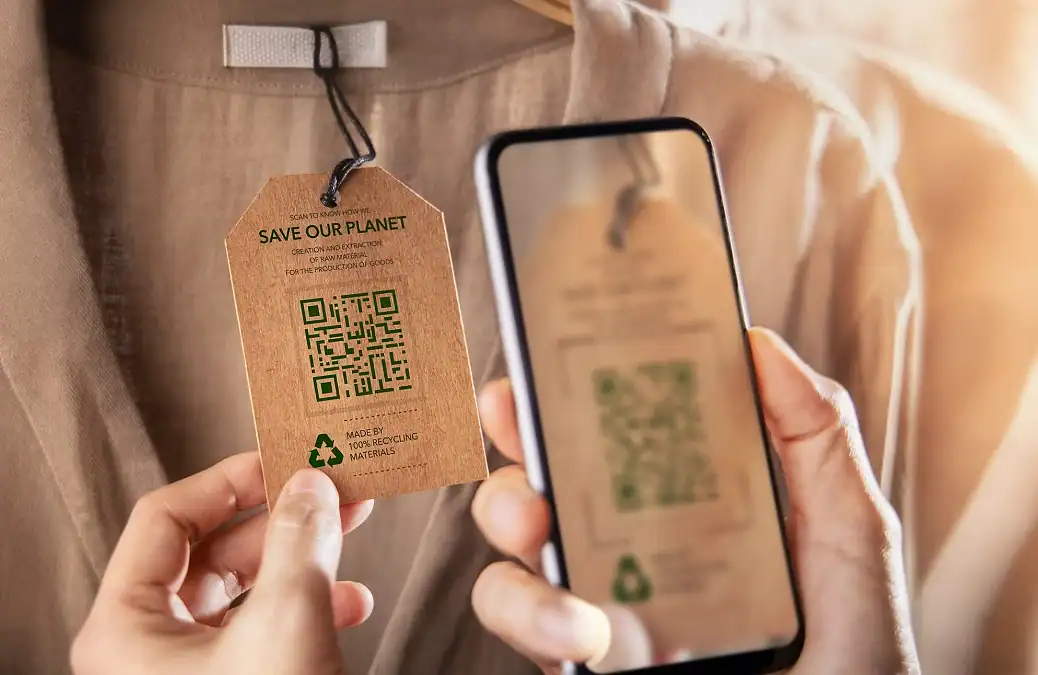
Starting in 2026, a growing number of new clothes will feature a Digital Product Passport (DPP): a scannable QR code clothing tag sewn into the side seam, neck, or waistband. With a quick scan on your phone, you’ll see exactly where your clothing was made, what it’s made from, and how to repair, recycle, or resell it.
This new tech, designed for textile transparency and circular fashion, is changing what it means to shop smart and sustainable. Europe started requiring DPPs for apparel in 2024, and U.S. fashion brands are now racing to adopt them—so you’ll soon see these “clothing passports” on everything from designer jeans to basic tees.
What Is a Clothing Passport? (And How Do You Use It?)
A clothing passport—or Digital Product Passport—is a small, soft QR code tag sewn or printed onto your garment (about the size of a postage stamp).
-
Location: Inside the care label, side seam, waistband, or neckline.
-
Material: Satin or soft polyester—no scratchier than a normal tag.
-
Function: Scan the QR code with your phone’s camera (no app required) to access a secure webpage detailing your clothing’s origin, materials, and lifecycle information.
You’ll discover:
-
Fiber breakdowns and certifications (e.g., “organic cotton, 80%”)
-
The factory or country of assembly (traceability)
-
Dyes, trims, and all materials used
-
Repair manuals, recycling info, and take-back programs
-
Resale authentication (proof of authenticity for buyers)
Can you cut it off? Sure—but you’ll lose easy access to those benefits (and potentially lower resale value).
Why Are Clothing Passports (DPPs) a Big Deal for Shoppers?
Transparency & Trust
DPPs take the guesswork out of “eco-friendly” claims. You get verifiable, specific info about sustainability certifications, ethical sourcing, and production practices—right on your phone.
Traceability & Circular Fashion
Clothing passports make it easy to see each step in your garment’s journey—key for supporting circular economy brands and making informed choices.
Easier Clothing Repair
Planning to keep your favorite jacket for years? DPPs list all the technical details (button size, thread color, zipper style), making it simple for tailors to restore or repair your clothes professionally.
Boosted Resale Value
A DPP acts as a Certificate of Authenticity—it proves your item is genuine, shows its care/repair history, and gives buyers confidence. Resale platforms may even highlight DPPs for faster, higher-value sales.
Sustainable Fashion & Compliance
DPPs are part of new EU regulations for textile sustainability, but global brands are implementing them everywhere to streamline compliance and support responsible, circular business models.
Where Will You See Clothing Passports First?
-
Europe: The EU began rolling out DPPs for apparel and textiles in 2024 as part of its push for textile transparency and circular fashion.
-
United States: U.S. brands like Levi’s, Nike, Patagonia, and Eileen Fisher are early adopters. Fast fashion brands (including Shein, H&M, and Zara) will add DPPs to meet global compliance.
-
2026–2027: Expect most major brands to use clothing passports on new garments sold in the U.S.
What Happens if Clothing Doesn’t Have a Passport?
When EU regulations are fully enforced, new clothing shipped to Europe without a Digital Product Passport can be blocked at the border, held, or even sent back. That’s why global brands are updating all products—U.S. inventory included—to avoid costly compliance headaches.
FAQ: Digital Product Passports & Circular Fashion
What if my favorite brand isn’t using DPPs yet?
Many brands are still rolling them out, but you’ll see more QR code tags each season as regulations and consumer demand accelerate adoption.
When will clothing passports be widespread in the U.S.?
Expect DPPs on most new clothing by 2027, with sustainable and premium lines leading the way.
Why does having a DPP mean higher resale value?
A DPP verifies authenticity, lists materials and care, and shows repair history—removing doubts for buyers and making resale smoother and more profitable.
Will brands like Shein or H&M use DPPs?
Yes. Any brand selling internationally will need DPPs to access regulated markets like the EU. Since fast fashion relies on global logistics, you’ll see DPPs on U.S. inventory as well.
Which U.S. brands are leading on Digital Product Passports?
Look for DPPs on new releases from Levi’s, Nike, Patagonia, Eileen Fisher, and select circular fashion startups. Adoption is expanding quickly.
The Future of Textile Transparency: Smarter, More Circular Shopping
Digital Product Passports are revolutionizing the apparel industry, supporting traceability, sustainable fashion, and smarter shopping. The next time you spot a QR code on your jeans or jacket, scan it—you might be surprised by what you discover.

- 5 Eco-Friendly & Zero Waste Kitchen Cleaning Swaps Under $50 Total - January 17, 2026
- Soon Your Jeans Are Going to Need a Clothing Passport (Digital Product Passports Explained) - January 5, 2026
- 9 Weird Recycling Businesses Find Gold in the Garbage - September 8, 2025