





Deprecated: Function get_the_author_ID is deprecated since version 2.8.0! Use get_the_author_meta('ID') instead. in /var/www/dev-sites/dev35.leowebmarketing.pro/public_html/wp-includes/functions.php on line 6170

Grains have long been a staple of human diets. Rice, wheat, and barley, among others, have supported entire cultures for thousands of years, and only recently have we begun to question whether they should be so prevalent in our diets. So what’s changed?
Ancient processes were
 In 2013, with the publication of his bombshell Grain Brain, neurologist David Perlmutter presented evidence that carbs and sugars could be responsible for the growing number of Americans who are suffering from alzheimers, dementia, and a litany of other brain-related health issues. Based on recent studies, it’s still difficult to determine exactly how much of this is caused by refined grains. But considering how ancient cultures consumed large amounts of grains and aged without some of these common diseases that plague modern humans, it seems that we’re moving toward a collective understanding of just how detrimental refined grains and added sugars can be.
Over the past few decades, an increasing number of people have become aware of various levels of gluten intolerance. Now, at grocery stores and restaurants all over America, gluten-free has become a label synonymous with healthier food choices. Celiac disease is well-researched at this point, and simple tests combined with bodily awareness can usually determine how much, if any, gluten you can handle. Even while follow-up research is being done to determine exactly what types of grains could be causing deformities in the brain, it’s safe to say the existing evidence calls for a reduction in the amount of carbs we consume on a daily basis. For people on a

Gluten-free flour (almond flour, amaranth seeds flour, buckwheat flour, rice flour, chick peas flour). Photo Credit: baibaz/Bigstock
Luckily, nature provides a variety of grain-like seeds (yes, they’re seeds!) that are gluten-free, significantly lower in carbs, and present a simple alternative if you’re going to try to avoid traditional grains, bread, and processed cereal. Below, I’ll go through each and present a nutrition profile with some meal-recommendations to help you get started.
Buckwheat
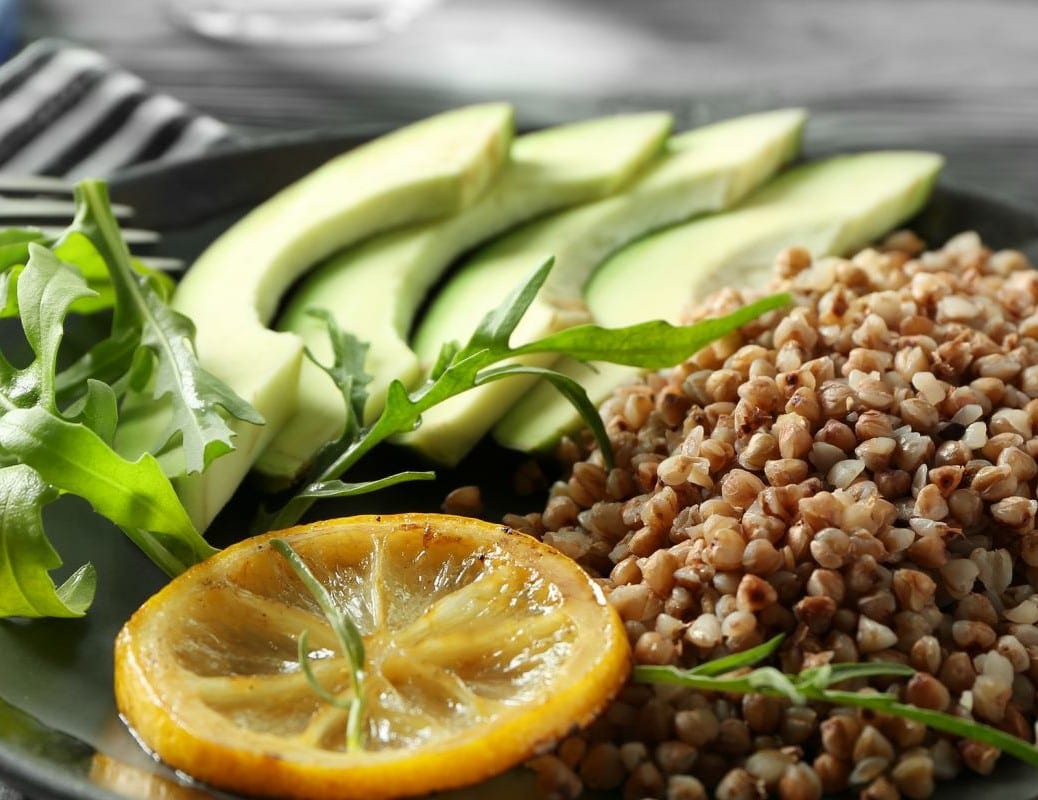
Buckwheat is especially rich in magnesium and comes in groats, flower, and noodles. As flower it represents a much healthier cooking alternative for special occasions. Cooking buckwheat groats is easy, and the earthy taste goes well with a variety of condiments and additions, making it a great option for all meals of the day depending on what you pair it with. Buckwheat noodles come in several varieties, including my favorite, soba!
Quinoa
Rich in manganese, copper, iron, and phosphorous, quinoa is a nutrient-dense alternative available in several varieties. It’s common at restaurants these days and pairs well beside (or in) your favorite salad. It also works well as a base in bowls, wraps, or other entrees. Cooking quinoa with vegetable broth can give it a richer, savory taste that makes it a great addition to vegetables cooked with
Millet
Millet is one of the lesser-known grain-like seeds, but is actually known to be the easiest to digest. With a similar flavor profile to buckwheat, but a texture closer to quinoa, it works great with a variety of combinations.
Amaranth
Another lesser-known option, Amaranth is probably my favorite on this list. Each seed is smaller, making it slightly more difficult to manage while cooking, but when done right can perfectly toe the line between soft and crunchy. Also versatile, it’s great for lunch and dinner when paired with vegetables or meat substitutes. You can also toast it (carefully), use agave as an emulsifier with nuts and other seeds, and make a sweet, cookie-like crisp that works as a snack or dessert.
Hopefully this gives you an idea of how you can eat grain-free and stay
Photo Credit Top Image: Yastremska/Bigstock

- Film Review | Cowspiracy: The Sustainability Secret - May 10, 2022
- Natural Foot Health for Happy Feet - May 10, 2022
- Vegan on the Go: Finding Vegan Restaurants & Prepared Foods - May 10, 2022