



Deprecated: Function get_the_author_ID is deprecated since version 2.8.0! Use get_the_author_meta('ID') instead. in /var/www/dev-sites/dev35.leowebmarketing.pro/public_html/wp-includes/functions.php on line 6170

By Verdant
• Heat pumps provide both heating and cooling—up to 3x more efficient than gas systems.
• Major rebates (up to 50% off) are available in 2025, but most expire December 31.
• Works for most California homes, including new builds, retrofits, and homes without ducts.
• Demand is surging as homeowners look for cleaner, safer, and more resilient options.
Introduction
Heard the buzz about heat pumps, but not sure what all the fuss is about? You’re not alone. Heat pumps are one of the hottest upgrades for California homes right now—but for many, they’re still a mystery. Are they worth it? How do they work? What do they replace? This guide breaks it all down, answers every key question, and shows you how to claim thousands in rebates before they expire in 2025.
What Is a Heat Pump? (And How Does It Work?)
A heat pump is a high-efficiency, all-electric system that provides both heating and air conditioning in one.
Instead of making heat (like a furnace), it moves it. In winter, it pulls warmth from the outdoor air—even when it’s cold—and brings it inside. In summer, it works in reverse, pushing heat out to keep your house cool.
- What does a heat pump replace? Your furnace or wall heater (for heating), your air conditioner (for cooling), and—if you install a “heat pump water heater”—your water heater too.
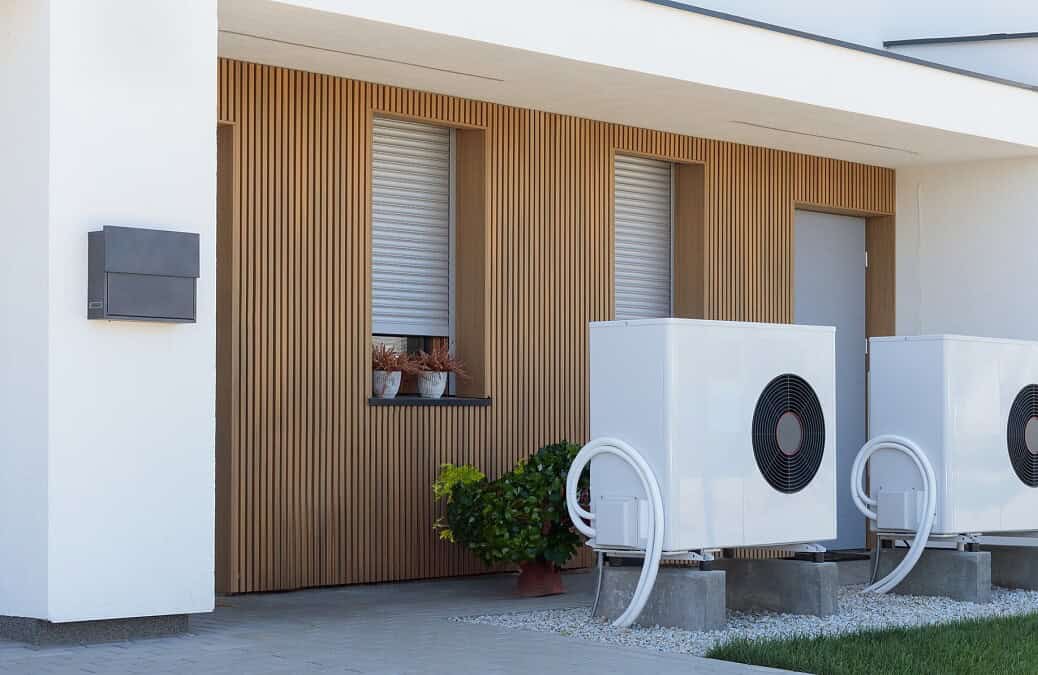
- Where does it go? The outdoor unit sits outside, similar to an AC compressor. The indoor unit goes wherever your furnace or air handler would be (attic, basement, closet), or on the wall for “mini-split” systems (which don’t need ducts).
- How is it powered? Runs on electricity—works great with regular grid power, solar panels, or both. With a home battery, you can run your heat pump even during blackouts.
How efficient are they?
A heat pump can deliver up to three times more heating or cooling energy than the electricity it uses, thanks to its super-efficient heat transfer technology.
Why Would I Want a Heat Pump?
- Year-round comfort: Heats and cools with a single system.
- Big energy savings: Up to 3x more efficient than gas or old electric systems for both heating and cooling.
- Cleaner air: No combustion = less indoor pollution and no carbon monoxide risk.
- Rebates: Huge incentives in 2025 make now the best time to upgrade.
- Resilience: Pairs with solar and batteries, so you stay comfortable even during power outages or wildfire shutoffs.
What’s New for 2025?
- Federal rebates and tax credits expire December 31, 2025. 30% tax credit for heat pumps and up to $2,000/year off your taxes.
- California utility rebates still available—some as high as $3,000 extra for income-qualified homes.
- The HEEHRA rebate for single-family homes is fully reserved in California as of late 2025. Most current incentives are federal tax credits and utility/local rebates.
- New state codes: Most new homes and remodels must install electric heat pumps (Title 24).
- Demand is up: More homeowners are switching for savings, comfort, and to future-proof their homes.
Real-World Example
A Sacramento family swapped their 1980s gas furnace and window ACs for a central heat pump in 2024. Their heating bill dropped by nearly half, and they now have efficient central AC. With rebates and credits totaling nearly $5,000, they covered almost 40% of the project’s cost and made their home “grid-flexible” for blackouts.
How Much Do Heat Pumps Cost in California?
- Purchase and install: $8,000–$20,000 for a typical whole-home system (before rebates), less for single-room “mini-split” units.
- Rebates: 2025 programs can cover 30–50% of the cost if you act quickly.
- Maintenance: About the same as a central AC—change filters, annual service.
- Long-term savings: Most homeowners see lower total energy bills, especially if replacing old electric heat or adding AC.
How to Get Rebates & Maximize Savings
- Federal tax credit: 30% of project cost (up to $2,000/year), expires December 31, 2025. Must use a certified installer and a product with a Qualified Manufacturer Identification Number (QMID—a code provided by the manufacturer) [IRS Form 5695].
- California SGIP & utility rebates: Up to $3,000 extra for eligible homes, stackable with federal credit. SGIP rebates are mainly for battery storage, but some utilities offer separate rebates for heat pump water heaters—ask your installer.
- HEEHRA status: The HEEHRA single-family program is fully reserved in 2025. Focus on federal and utility rebates for upgrades.
- Local programs: Some cities and municipal utilities offer their own rebates. Always confirm before starting your project.
- Pro tip: Always get bids from certified HVAC pros. Rebates often run out before the end of the year.
Heat Pumps, Wildfire, and Blackout Resilience
With wildfires and rolling blackouts, more Californians want systems that work without gas and can run on solar plus batteries.
- Safe during blackouts: With a home battery, your heat pump can keep working even if the grid goes down.
- Better air filters: Modern heat pump systems can filter out wildfire smoke.
- No gas line needed: All-electric = less fire risk and more flexibility.
Adding a home battery? You may qualify for extra savings through the Demand Side Grid Support (DSGS) program, which pays you for letting your battery support the grid during emergencies.
Heat Pump FAQs for California Homeowners (2025)
- What does a heat pump replace? Furnace, wall heater, baseboard heater, and central AC—all in one.
- Where does it go? Outdoor unit sits outside (like AC). Indoor unit goes in attic, basement, closet, or on wall (mini-splits).
- How big are they? Outdoor unit: like an AC compressor. Indoor: air handler or slim wall unit.
- Who installs it? Licensed HVAC contractors/heat pump specialists.
- What maintenance is needed? Change/clean filters, annual checkup, keep outdoor unit clear. No fuel deliveries, no flue or chimney work.
- What’s the payback period? Often 3–7 years after rebates, faster if you’re replacing old electric/gas or adding AC.
- How common are they in CA? Over 15% of homes now use heat pumps; adoption is rising fast.
- Are there rebates? Yes—federal, state, and utility rebates in 2025, but most end this year.
- How is it powered? Runs on electricity (from grid or solar, or both). Works great with solar panels and home batteries.
- Can it also heat water? Yes—“heat pump water heaters” are available (separate rebates; most SGIP rebates target batteries, but check for utility water heater rebates).
- Does it provide both heat and AC? Yes, all standard heat pumps do both.
- Do I need ducts? If you have good ducts, you can use them. No ducts? Ductless “mini-split” units work great for older homes, additions, or rooms without ducts.
- Who is it best for? Anyone replacing old HVAC, adding AC, electrifying for rebates, or reducing carbon. Works in almost all CA homes, both coastal and inland.
- How many do I need? Central system: usually one for the whole house. Mini-splits: one per zone/room.
- How do I know what size I need? A contractor will do a “load calculation” based on your home’s square footage, insulation, windows, and climate.
- Do I need a permit? Yes, for most installs—your installer will handle this.
- What is a QMID? The Qualified Manufacturer Identification Number (QMID) is a code provided by your product’s manufacturer—required for some rebates and credits.
Pro Tips for 2025
- Book your install ASAP: Federal credits and rebates run out fast.
- Get multiple bids: Ask which programs and rebates you qualify for.
- Pair with solar and battery: For max comfort, savings, and blackout protection.
- Join the Republic of Green Community: Connect with other homeowners, compare experiences, and find trusted pros.
Ready to Upgrade?
Find certified heat pump specialists in the Republic of Green Directory, or share your questions and experiences in the RoG Community!

- 5 Eco-Friendly & Zero Waste Kitchen Cleaning Swaps Under $50 Total - January 17, 2026
- Soon Your Jeans Are Going to Need a Clothing Passport (Digital Product Passports Explained) - January 5, 2026
- 9 Weird Recycling Businesses Find Gold in the Garbage - September 8, 2025