




Deprecated: Function get_the_author_ID is deprecated since version 2.8.0! Use get_the_author_meta('ID') instead. in /var/www/dev-sites/dev35.leowebmarketing.pro/public_html/wp-includes/functions.php on line 6170

By Verdant
• California wildfire risk is at an all-time high—hardening your home is now a necessity, not a luxury.
• Some upgrades are mandatory in high-risk (WUI) zones; others are optional but recommended statewide.
• Minimum, medium, and full-scale fire-hardening options exist for every budget.
• Insurance often won’t cover full rebuild costs—be proactive about risk and coverage.
• New building materials and affordable strategies are making fire resistance more accessible than ever.
Introduction: Why Wildfire Home Hardening Matters More Than Ever
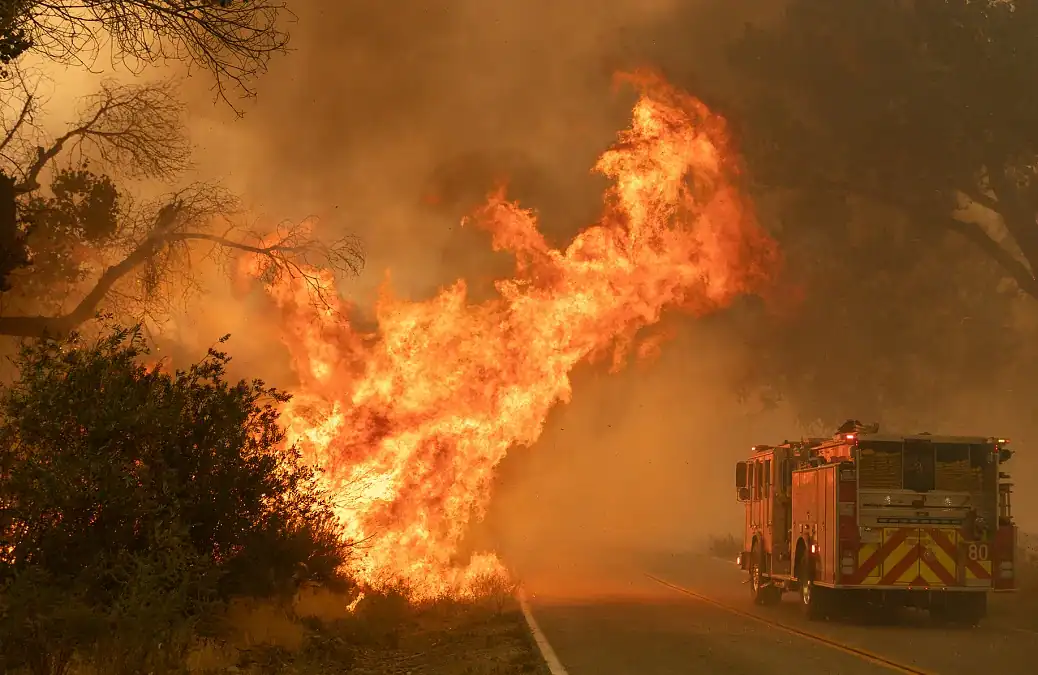
Wildfires are a fact of life in California. Each year, more homeowners face the twin threats of losing their home and having their insurance cancelled or underpaying after a disaster. Hardening your house protects against flying embers, radiant heat, and direct flame—and is now essential for keeping (or finding) homeowners insurance. Some fire upgrades are required by law in high-risk zones, but everyone can benefit from affordable steps to protect what matters most.
What’s Mandatory—and What’s Optional—for California Homes?
Mandatory upgrades depend on where you live. In high-risk “Wildland-Urban Interface” (WUI) zones, California’s Chapter 7A building codes—part of the state’s Title 24 building standards—now require:
- Class A fire-rated roofs (metal, tile, or special asphalt)
- Tempered dual-pane windows
- Ignition-resistant siding (fiber cement, stucco, brick, or metal)
- Defensible space landscaping out to 100 feet
Optional—but smart—upgrades include home hardening measures for all homes, like ember-resistant vents, clearing the first 5 feet around your house, and upgrading decks and gutters. These steps dramatically increase your odds of surviving a wildfire and may qualify you for insurance discounts even outside official hazard zones.
How Insurance (Really) Works if Your House Burns Down
- Dwelling Coverage: Pays to rebuild your home, but many policies are underinsured due to rising material and labor costs. Inflation and shortages can leave a coverage gap of $500K or more.
- Extended Replacement Cost: Adds 10–50% above your limit, crucial for wildfire-prone areas—ask your agent if you have this!
- Living Expenses: California law requires up to 36 months of temporary housing coverage after a wildfire.
- Why claims fall short: Prices rise after a big fire, and many homeowners haven’t updated policies. Costs vary widely based on your home’s size, complexity, location, contractor labor rates, and which materials you choose. Always get multiple bids for major work. Always review and update your coverage annually.
How Much Does Wildfire Hardening Cost? (Minimum, Medium, and Full-Scale Upgrades)
Actual costs vary by location, contractor, and materials—always get multiple quotes. Costs are affected by your home’s size, project complexity, labor rates, and materials chosen. Here’s a general guide:
| Level | Description | Approximate Cost |
|---|---|---|
| Minimum | Ember-resistant vents, gutter guards, 5-ft clear zone, spark screens, basic landscaping | $2,000–$15,000 |
| Medium | Dual-pane tempered windows, non-combustible siding, roof bird stops, upgraded decking/fencing | $15,000–$40,000 |
| Full Build/Retrofit | Full Chapter 7A hardening (roof, windows, siding, decks, eaves, vents, 100-ft defensible space) | Up to $100,000 |
The California Wildfire Mitigation Program (CWMP) is ongoing and expects more homes to be retrofitted as funding increases; so far, the average retrofit has cost about $50,000. For homeowners on a budget, low-cost upgrades provide the highest impact per dollar.
Rebates & Insurance Incentives
- Insurance discounts: State law now requires insurers to offer discounts for certified wildfire hardening measures. Be proactive and request a reassessment after upgrades.
- Local grants: Programs like the CWMP Local Assistance Grant Program provide funding for individual and community retrofits. Check with your city, county, or local Fire Safe Council for the latest options.
- Pro tip: Document upgrades with before-and-after photos, closeups of materials and installation, invoices, and signed contractor statements for insurance and resale value. Take photos of product labels, packaging, and the work in progress—not just the finished job. Save digital and print copies.
Innovative, Affordable Solutions for to Protect Your Home from Wildfires (2026)
- Modular, prefab, and 3D-printed construction: Steel or fiber cement panels, or even fire-resistant concrete, reduce costs and build time—great for ADUs or replacement homes.
- Sustainable & recycled materials: Hempcrete, recycled steel and concrete, stone veneer, and composite siding combine fire resistance with lower environmental impact. Note: Installers should use proper protection when handling silica-containing products like fiber cement.
- DIY-friendly solutions: Intumescent paints, fire-retardant cellulose insulation, and affordable fire-rated siding can be installed by many homeowners.
- Landscaping innovations: Non-combustible hardscape grids, biodegradable Blaze Barrier mats, and concrete patios all reduce ignition risk near the house.
- Community planning: Free or subsidized planning through CPAW, local Fire Safe Councils, and state grants make collective wildfire resilience more achievable.
Real-Life Survival Story
According to reporting by the San Francisco Chronicle, when wildfires swept through Altadena, a single home stood untouched while neighbors burned to the ground. The difference? The survivor had invested in a Class A roof, ember-resistant vents, non-combustible siding, and meticulously maintained defensible space. It wasn’t luck—it was fire-aware design.
Pro Tips for Homeowners
- Start small: Ember-resistant vents and a 5-foot clear zone are the best first steps.
- Upgrade over time: Prioritize roof, windows, siding, and decks as your budget allows.
- Schedule a hardening assessment: Local fire agencies or programs often offer free or low-cost audits.
- Know your zone: Use the Cal Fire FHSZ Map to check your home’s wildfire risk level.
- Get multiple bids: Compare contractors experienced in wildfire retrofits. Look for references, insurance, and certifications.
- Document everything: Take detailed photos and keep all paperwork for upgrades—before, during, and after the work.
FAQs: Wildfire Protection in California
- What are the most cost-effective upgrades to make first?
Ember-resistant vents, clearing the 0–5 ft zone, gutter guards, and upgrading decking/fencing provide the highest protection per dollar. - Can wildfire retrofits lower my insurance bill?
Yes. California mandates discounts for certified fire-hardening—ask your insurer for reassessment after upgrades. - Do I need a permit for fire-hardening work?
Permits aren’t usually needed for maintenance (vents, gutters, landscaping), but are required for major exterior changes. Ask your contractor or local building department. - How do I check if I’m in a wildfire hazard zone?
Enter your address at the Cal Fire FHSZ Viewer for your home’s risk level and code requirements. - Will these upgrades add resale value?
Yes—buyers prefer homes eligible for insurance, up to code, and with documented resilience. - Is there a checklist I can use for my contractor?
Yes. Use the Cal Fire Home Retrofit Checklist (PDF) and IBHS Wildfire Prepared Home Recommendations. - What about decks and fencing?
Replace wood decks with ignition-resistant materials, and use non-combustible fencing within 5 feet of the house. - What is “defensible space” and how do I create it?
Clear or reduce flammable material—especially in the first 0–5 ft. Out to 100 ft, thin and space plants, and keep vegetation low. - Are there new or affordable building materials for wildfire resistance?
Yes! Modular steel, hempcrete, recycled materials, intumescent paints, and more—see the “Innovative Solutions” section above. - How do I find a qualified contractor?
Use contractors certified through the Wildfire Prepared Home program or local Fire Safe Councils. Always verify license and insurance.
Quick Reference Checklist: Top Wildfire Home Hardening Steps
- Install ember-resistant vents (1/8″ mesh or better)
- Keep a 5-foot non-combustible zone around the home
- Upgrade to a Class A roof
- Replace siding with ignition-resistant materials
- Swap wood decks/fences for non-combustible materials
- Trim trees and clear gutters of debris
- Document every upgrade for insurance and resale: photos of labels, packaging, installation, and finished work
Ready to Harden Your Home?
Find trusted home hardening contractors and eco-friendly builders in the Republic of Green Directory, or join the conversation in our RoG Community for more local tips and support.

- 5 Eco-Friendly & Zero Waste Kitchen Cleaning Swaps Under $50 Total - January 17, 2026
- Soon Your Jeans Are Going to Need a Clothing Passport (Digital Product Passports Explained) - January 5, 2026
- 9 Weird Recycling Businesses Find Gold in the Garbage - September 8, 2025